Everyday aches and stiffness can have many causes, from stress and inactivity to exercise and aging. Learn how movement, heat, and recovery may help.
1 Sep 2026
Why Do I Feel Stiff and Achy Every Day?
Why Do I Feel Stiff and Achy Every Day?
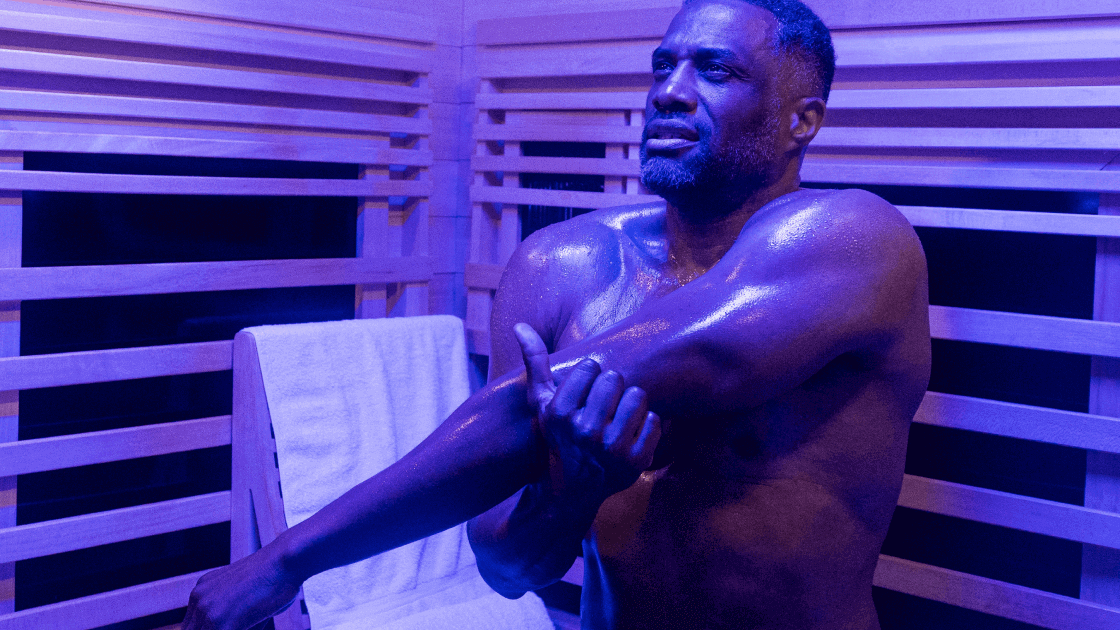
Waking up stiff, feeling tight after sitting at your desk, or experiencing sore muscles after a busy day can become so familiar that you start to think it's just normal.
But everyday aches and stiffness can have many causes, and understanding what's contributing to them is the first step toward supporting how your body feels.
From too much sitting and physical activity to stress, poor sleep, and natural changes that come with aging, your body may need a better balance of movement and recovery.
What Causes Everyday Aches and Stiffness?
Stiffness can happen for many reasons, and it isn't always caused by aging.
Common contributors include:
- Sitting or staying in one position for long periods
- Repetitive movements
- Exercise or physical activity
- Muscle tension caused by stress
- Poor sleep
- Dehydration
- Natural changes associated with aging
When you're inactive for long periods, muscles and joints aren't moving through their normal range of motion. Physical activity can also temporarily leave muscles feeling sore or tight.
The key is understanding that movement and recovery work together.
Is Stiffness a Normal Part of Aging?
Some changes in mobility, muscle mass, and recovery are a natural part of aging. However, persistent or worsening pain shouldn't automatically be dismissed as “just getting older.”
Healthy aging isn't about avoiding activity. It's about maintaining movement, strength, mobility, sleep, and recovery as your body changes.
If pain is severe, persistent, worsening, or accompanied by swelling, weakness, numbness, or other concerning symptoms, it's important to speak with a healthcare professional.
Why Does Recovery Matter for Muscle and Joint Comfort?
Exercise and everyday activity place demands on your muscles and tissues. Recovery gives your body time to adapt to those demands.
Recovery can include much more than simply taking a day off. It can involve:
- Adequate sleep
- Hydration
- Nutrition
- Gentle movement
- Stretching and mobility work
- Stress management
- Heat-based relaxation
Movement challenges your body. Recovery gives it time to respond.
Finding the right balance can help you continue staying active without constantly feeling like you're playing catch-up.
Can Stress Cause Muscle Tension?
Yes. Stress can affect the body as well as the mind.
When you're stressed, your nervous system can trigger physical responses such as increased muscle tension. Some people notice this particularly in their shoulders, neck, jaw, or back.
Poor sleep and ongoing stress can also influence how you perceive discomfort and how well you recover.
That's why relaxation isn't simply about feeling calm. Giving your body opportunities to relax is an important part of a well-rounded wellness routine.
How Does Circulation Relate to Recovery?
Circulation plays an important role in delivering oxygen and nutrients throughout the body.
Heat exposure can temporarily increase blood flow by causing blood vessels to dilate. This is one of the physiological responses researchers study when looking at heat therapy and sauna use.
Increased circulation may contribute to the relaxed or warmed-up feeling people experience during and after heat exposure.
However, circulation is only one part of recovery. Sleep, nutrition, hydration, movement, and overall health all play important roles.
Can Infrared Sauna Help With Muscle Stiffness?
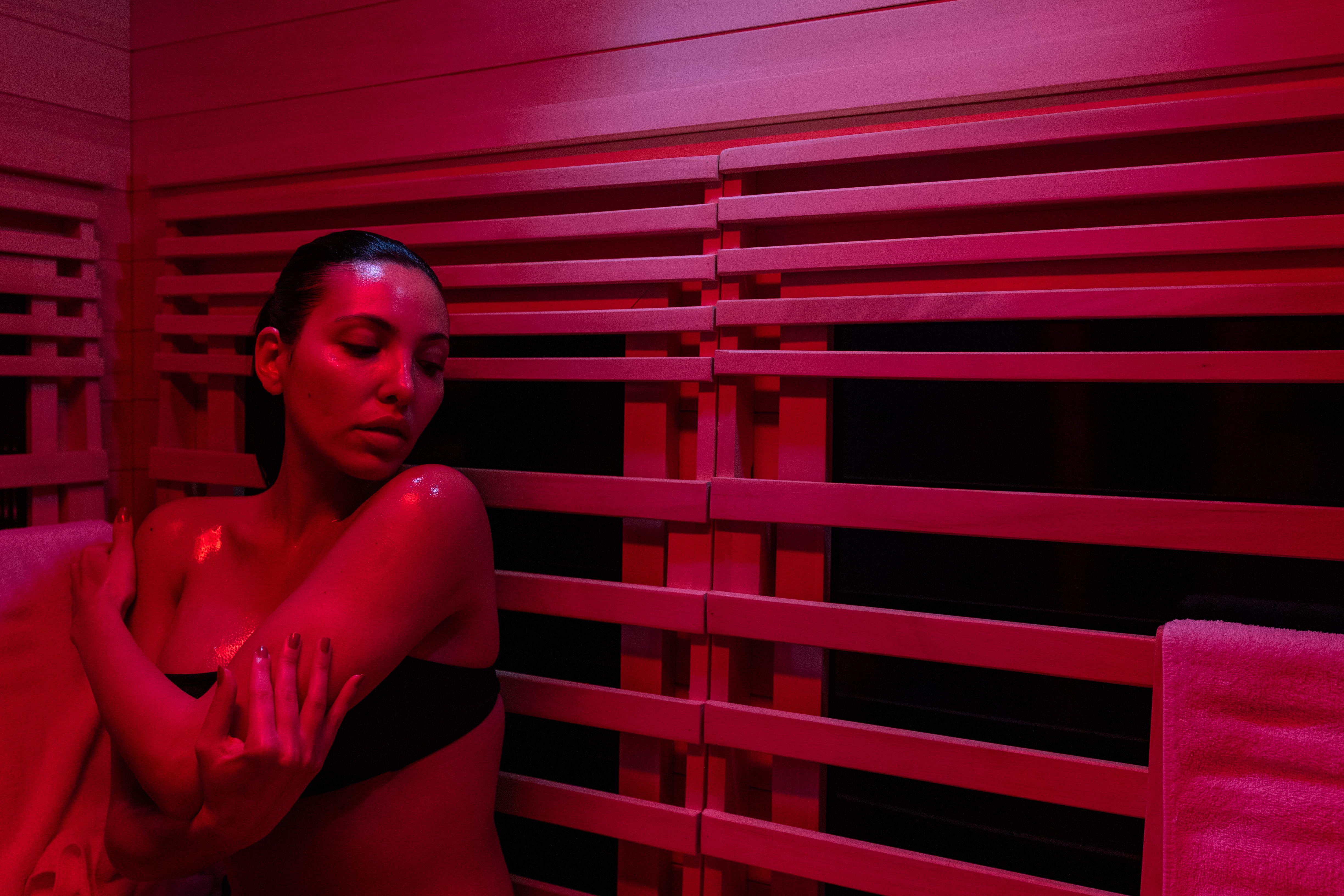
Infrared sauna uses infrared energy to warm the body, creating a controlled heat response.
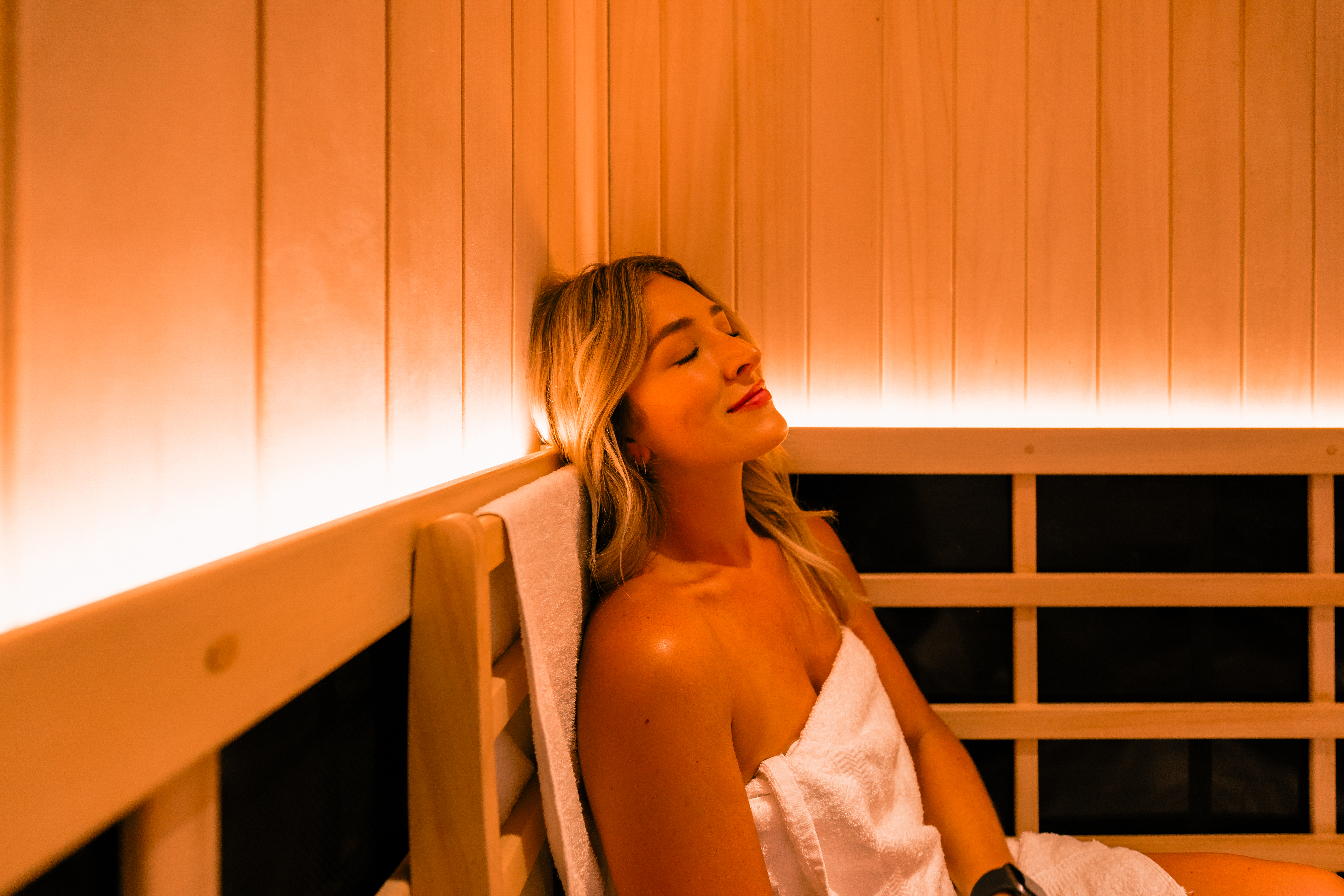
As the body warms, blood vessels can dilate, circulation can increase, and sweating begins. Heat can also help muscles relax, which may make a sauna session feel particularly soothing when you're experiencing everyday tension or post-exercise soreness.
Research on sauna and heat therapy has explored potential effects related to circulation, cardiovascular function, relaxation, and exercise recovery.
Infrared sauna shouldn't be viewed as a treatment or cure for pain. Instead, it can be one tool within a broader recovery routine.
What Is Red Light Therapy and How Does It Support Recovery?
Red and near-infrared light therapy works differently from infrared sauna.
Rather than primarily using heat, red and near-infrared light expose the body to specific wavelengths of light. This approach is commonly called photobiomodulation.
Researchers are studying how these wavelengths may influence cellular processes, including mitochondrial activity, cellular signaling, and pathways involved in tissue response.
Research into photobiomodulation is ongoing, and results can vary based on factors such as wavelength, intensity, treatment time, and the area being treated.
Why Combine Infrared Sauna and Red Light Therapy?
Infrared sauna and red light therapy use different mechanisms.
Infrared sauna → heat and thermoregulation
Red light therapy → light and photobiomodulation
Combining them allows you to incorporate both into one wellness session.
At beem®, the experience is designed around infrared sauna + medical-grade red light therapy, creating dedicated time for relaxation and recovery.
Neither replaces the basics of a healthy lifestyle. Instead, they can complement habits such as regular movement, quality sleep, hydration, and good nutrition.
What Can I Do to Reduce Everyday Stiffness?
Small, consistent habits can help support mobility and recovery.
Try:
- Move regularly: Get up and change positions throughout the day.
- Stretch and work on mobility: Even a few minutes can help break up long periods of inactivity.
- Stay hydrated: Fluids are important for normal bodily function.
- Prioritize sleep: Your body performs important recovery processes while you sleep.
- Manage stress: Relaxation can help reduce the physical effects of ongoing stress.
- Build recovery into your routine: Don't wait until you're completely worn out to recover.
Feel Better. Keep Moving.
Everyday stiffness doesn't necessarily mean you need to slow down or accept discomfort as your new normal.
Your body responds to how you move, rest, sleep, manage stress, and recover.
At Beem, private wellness suites combine full-spectrum infrared sauna and medical-grade red light therapy to create a dedicated space for relaxation and recovery.
Whether you're recovering after exercise, spending long hours at a desk, or simply looking for a way to make recovery part of your routine, consistency matters.
Because feeling better isn't about doing everything perfectly. It's about giving your body the support it needs to keep moving.
Ready to Make Recovery Part of Your Routine?
Book your beem® experience today.
Locations
Find location
near you
Not finding what you’re looking for? See our Upcoming Openings or open your own franchise.
Alabama
Arkansas
Arizona
California
Colorado
Connecticut
District of Columbia
Florida
Georgia
Illinois
Kansas
Massachusetts
Michigan
Minnesota
Missouri
North Carolina
Nebraska
New Jersey
New York
Ohio
Pennsylvania
South Carolina
Tennessee
Texas
Utah
Virginia
Washington
Wisconsin